25

May
2026

Healthy North Coast to host the International Foundation for Integrated Care’s Australia Hub

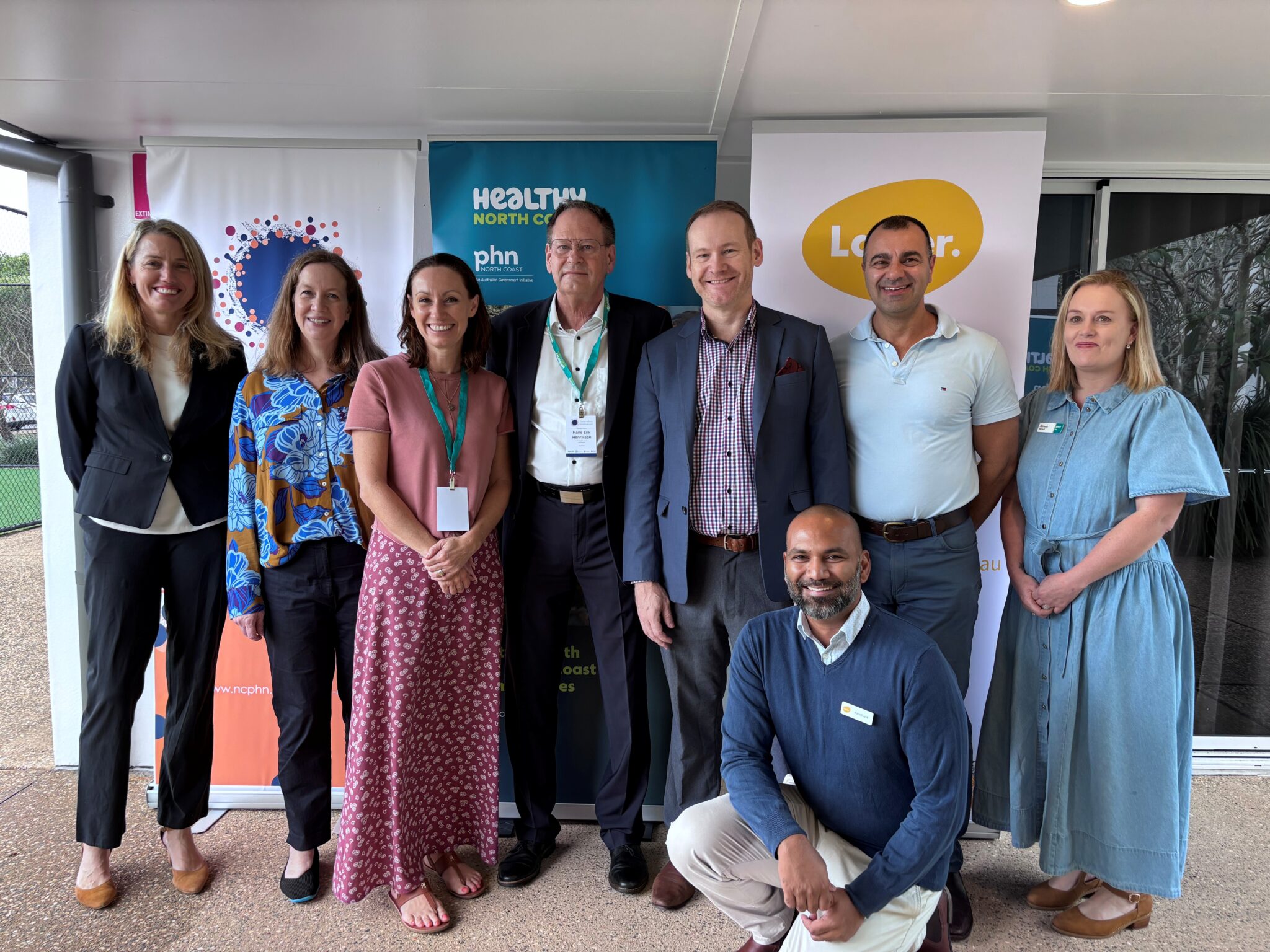
Pictured above: Monika Wheeler (CEO Healthy North Coast), Carmen Huckel Schneider (Associate Professor & Deputy Director of The Leeder Centre for Health Policy, Economics and Data, University of Sydney), Bronwyn Thirkell (National Coordinator, Integrated Care & Health System Reform Centre for Healthcare Knowledge & Innovation), Hans Erik Henriksen (Vice President of QUMEA and former CEO of Healthcare DENMARK), Peter Larter (Managing Director, Larter Consulting), Mario Gupta (Senior Consultant, Larter Consulting), Luke Elias (Director Primary Health Programs and Partnerships, Healthy North Coast) and Aimee McNeill (Director Integrated Community Wellbeing, Healthy North Coast)


Joint media release with the International Foundation for Integrated Care:


Healthy North Coast Primary Health Network and the International Foundation for Integrated Care (IFIC) are proud to announce the hosting arrangements for IFIC Australia, marking a significant step forward in strengthening person-centred, integrated care across Australia.

With the recent Budget showing ever-increasing costs of health care expenditure, it is more important than ever that international learnings are utilised – not as blueprints to copy, but as case studies that can build knowledge and capacity in Australia for meaningful reform.

IFIC is a not-for-profit foundation, originally founded in the Netherlands, dedicated to improving the lives of people and communities by advancing the science, knowledge, and adoption of integrated care around the world. IFIC is regarded as the leading international voice in integrated care.

‘Integrated care’ involves the provision of seamless, effective, and efficient care that reflects the whole of a person’s health needs and involves improved connectivity between health care providers in primary care, community, and hospital settings.[1]

This new partnership – which includes other patrons and supporters like University of Sydney, Central Eastern Sydney Primary Health Network, Southern Cross University, Social Futures and Continuity Care – brings the strength of IFIC’s global network and expertise as a platform for shared learning, evidence, practice and collaboration, together with local leadership through Healthy North Coast’s Centre for Healthcare Knowledge & Innovation (CHKI).

By hosting IFIC Australia, Healthy North Coast and other contributing patron organisations will assist IFIC to deliver a comprehensive program of learning, innovation and knowledge exchange tailored to the needs of Australia’s health and care system. Offerings will reflect the real-world needs of clinicians, service providers and health system leaders and will include:

  • webinars and interactive learning programs tailored for Australian audiences
  • mentorship and leadership development opportunities for Australian health system leaders
  • access to policy resources and global thought leadership
  • connection with international peers through established and emerging global communities of practice.

First look at the partnership

The first chance for local health, policy and community sector leaders to benefit from the partnership will be at the Pathways to Reform – A Cross Country Exchange for Health Leaders event on Tuesday 26 May to Friday 29 May at the Mantra on Salt Beach Resort in Kingscliff. Here, international health experts like Nick Goodwin, Hans Erik Henriksen and Soonman Kwon will present on topics such as embedding value in primary care (inspired by Denmark), designing for pressure and crisis-ready systems (inspired by South Korea) and building equity and Indigenous governance (inspired by Aotearoa New Zealand).

Pathways to Reform will convene healthcare leaders from across the country for a rare opportunity to step outside day-to-day pressures and consider the challenges and opportunities that need to shape system reform. The Exchange represents the beginning of a longer-term journey to foster a trusted network of like-minded change makers committed to learning, collaboration and practical action across Australia’s health and care systems.
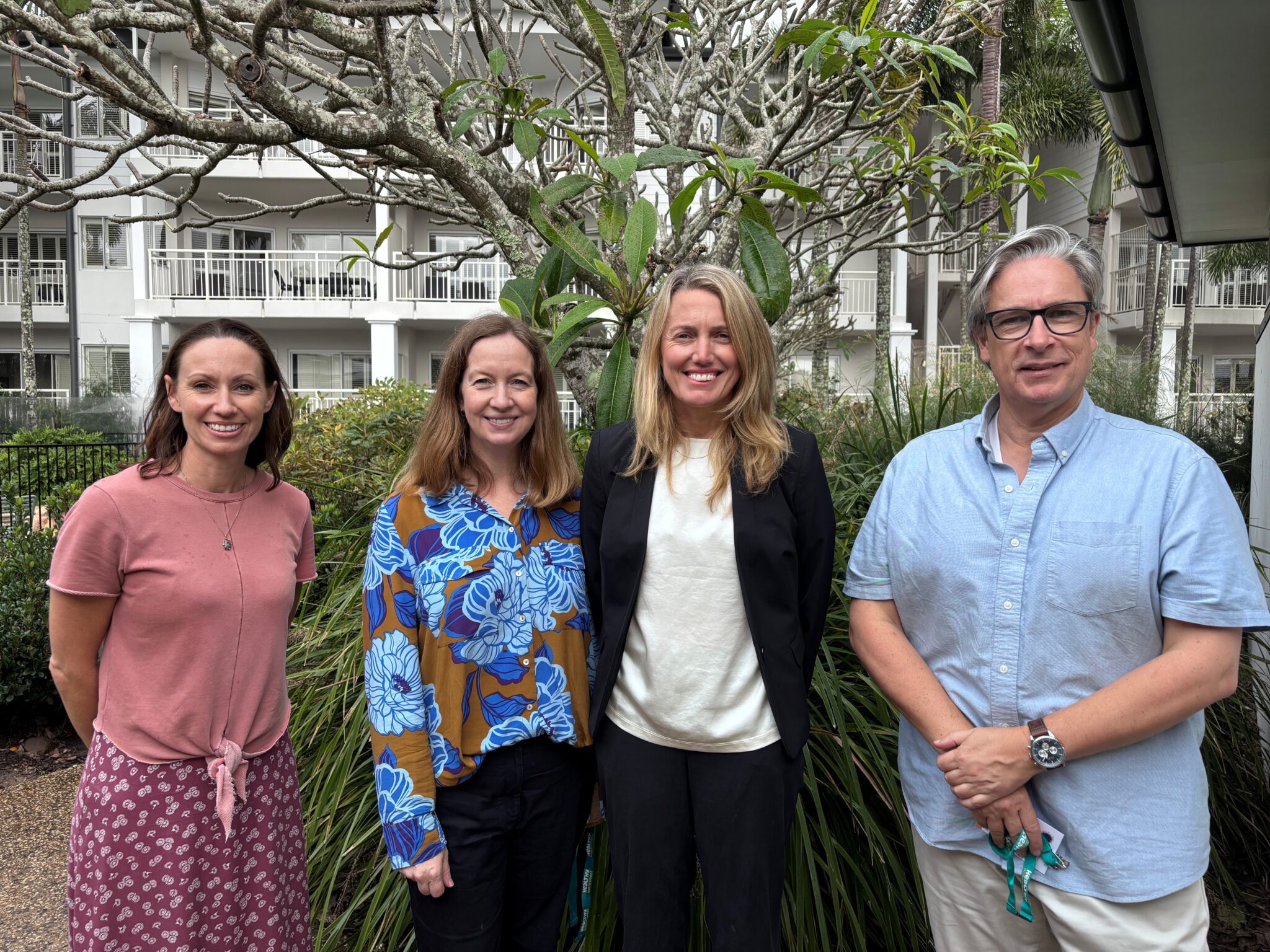


Bronwyn Thirkell, Carmen Huckel Schneider, Monika Wheeler & Nick Goodwin (Visiting Professor, Centre for Research in Health System Performance, National University of Singapore & Senior Associate, International Foundation for Integrated Care)


Moving forward, the partnership will also enable organisations across Australia to contribute as patrons and supporters, helping to shape national reform priorities while benefiting from shared learning and collective impact. The collaboration positions Australia as part of a broader international movement focused on integrated, person-centred and community-connected care.

IFIC Australia will be funded largely on a cost recovery basis through event participation fees, in-kind resources and contributions from participating patrons.

Quotes:

Monika Wheeler, CEO Healthy North Coast said:

“We were thrilled to be approached by IFIC to be their exclusive Australian partner. This is about more than knowledge sharing, it’s about building capability, strengthening connections and supporting the primary health care community to deliver better, more coordinated care for the people we serve. By working with IFIC, we are bringing world-leading knowledge and capability directly to our region and the broader Australian sector.”

Dr Niamh Lennox-Chhugani, Chief Executive, International Foundation for Integrated Care (IFIC) said:

“Integrated care does not advance through policy ambition or goodwill alone. It grows when leaders have the time, space and international connections to test ideas, learn from others and apply that learning in their own systems.

“Through IFIC Australia and the Pathways to Reform exchange, we want to support leaders to build the confidence, relationships and practical capability needed to improve care for people, communities and services. This is central to IFIC’s mission: connecting knowledge, evidence and experience so that integrated care can move from aspiration into everyday practice.”

A/Prof Carmen Huckel Schneider, Deputy Director Leeder Centre for Health Policy, Economics and Data at the University of Sydney, said:

“We are proud to partner as the academic lead at Pathways to Reform, furthering our mission to undertake applied, policy-relevant research that strengthens integrated care and health system improvement in Australia. Through this collaboration, we are not only advancing evidence into practice, but also supporting the development of future health system leaders.

“Participants have a unique opportunity to extend their learning beyond the event by undertaking a University of Sydney microcredential in integrated care, enabling them to embed new knowledge, skills and networks into real-world impact at local, regional and national levels.”

Featured keynote speakers at Pathways to Reform – A Cross Country Exchange for Health Leaders:

  • Nick Goodwin is a globally recognised leader in integrated care and health reform, with more than 30 years’ experience shaping health policy, research and service delivery across more than 25 countries. He co-founded and led the International Foundation for Integrated Care, growing it into a network of more than 30,000 members worldwide, edited the World Health Organization’s Global Framework on People-Centred and Integrated Health Services, and received the Avedis Donabedian International Award for contributions to healthcare excellence.
  • Soonman Kwon is a leading global expert in health economics and health system financing, serving as Professor and former Dean of the Seoul National University School of Public Health and founding director of the WHO Collaborating Centre for Health System and Financing. He has advised major international organisations including the World Health Organization and Gavi, the Vaccine Alliance, while holding visiting academic positions at institutions including Harvard School of Public Health and the London School of Economics.
  • Hans Erik Henriksen is Vice President of QUMEA and former CEO of Healthcare DENMARK. He draws on two decades of digital health leadership, AI-enabled care and Denmark’s value-based reforms – offering practical lessons for advancing integrated, data-driven health care in Australia.


[1] NSW Health, What is integrated care, NSW Health, 2023, accessed 14 May 2026.


Contact for media enquiries

Healthy North Coast - Sam Brunning

Phone: 0439 968 437

International Foundation for Integrated Care - Niamh Daly Day

Get our newsletter and events straight to your inbox. Subscribe Today

Our regional partners

  • Local Health District partners in our footprint: Mid North Coast Local Health District (MNCLHD) & Northern New South Wales Local Health District (NNSWLHD)
  • Aboriginal Medical Services (AMS)
  • The Royal Australian College of General Practitioners (RACGP)
  • Australian College of Rural and Remote Medicine (ACRRM)
  • Rural Doctors Network (RDN)
  • Rural Clinical Schools & Regional Training Hubs
  • General Practitioners
  • Registrars and International Medical Graduates
  • North Coast Allied Health Association (NCAHA)
  • Local Councils
    Pharmaceutical Society of Australia (PSA)
  • Universities including: Charles Sturt University (CSU), University of New South Wales (UNSW), Southern Cross University (SCU)

Aged Care Disaster Management Planning

Strategic Priority Area: One team

North Coast is identified as the region most likely to be impacted by climate change in Australia and also forecasted greatest growth in those 65+.

Healthy North Coast takes a lead role in ensuring the older population and the sector that supports them are prepared for, can respond to and recover from disasters and other emergencies.

We have led eight regional disaster management capacity building workshops, bringing together SES, community organisations and the aged care sector.

We have also developed disaster preparedness tip sheets for both residential and community aged care providers.

Voluntary Assisted Dying

Strategic Priority Area: One team

In May 2022, the NSW Parliament passed the Voluntary Assisted Dying Act 2022. Effective from Tuesday, 28 November 2023, eligible people have the choice to access voluntary assisted dying. 

Healthy North Coast has developed a webpage for both health professionals and consumers, with links to available information and resources.

Living with Dementia resources

Strategic Priority Area: No one is left behind

Healthy North Coast has worked with people living with dementia, their families and local service providers to develop an information booklet that will help them connect with local and national supports along their journey.

Highly regarded by a range of professional supporting those on or starting the dementia journey, the booklet includes commonly asked questions for people to ask their GP and/or specialist.

“It’s a fantastic resource and I give it to everyone on their first diagnosis. Its easy to read, so well planned and thought through and has lots of really useful information, tailored to the region.
I also find it very helpful when educating clinical staff.”

−Geropsychiatric Nurse Practitioner, Mid North Coast.

The resource is available in digital and printed copies, with more than 5,000 distributed across the region. An e-version is available to clinicians via the Dementia and Cognitive Impairment HealthPathway.

Deteriorating Resident Triage Tool

Strategic Priority Area: One team

Empowering aged care teams to deliver safer, more consistent care.

The Deteriorating Resident Triage Tool (DRRT) supports aged care staff to confidently recognise and respond to signs of resident deterioration. It enables timely, evidence-based decisions, strengthens communication with health services, and promotes early intervention and effective care planning, helping residents receive the right care, at the right time, in the right place. By doing so, it reduces unnecessary Emergency Department presentations and improves resident outcomes.

Developed in collaboration with a specialist geriatrician and informed by input from Residential Aged Care Managers, NSW Ambulance, GPs, and clinical experts across the Mid and North Coast Local Health Districts, the DRRT is practical, relevant, and aligned with contemporary best practice.

Aligned with the Strengthened Quality Standards:

  • Standard 1 – The Person: Respects resident preferences and Advance Care Directives.
  • Standard 2 – The Organisation: Strengthens governance and clinical oversight.
  • Standard 5 – Clinical Care: Supports early recognition and escalation of clinical deterioration.

North Coast care finders program

Strategic Priority Area: No one is left behind

Care finders is a free service to assist older adults connect to aged care services and supports. Care finders support older people who experience significant barriers to accessing services, and walk alongside their clients at their own pace, to understand their individual situation and support them to work through the steps to address their needs. Care finders assist people with access to other supports in the community. They can provide connections both with accessing services for the first time, and with changing or finding new services and supports if their needs change.

Care finders can:

  • Provide information about local aged care services
  • Help to set up an assessment with My Aged Care to access support, and
  • Find services that are targeted and available to help.

The care finder program has been extended to June 2029 and is provided by the following organisations. Each (Lismore, Coffs Harbour, Clarence Valley, Richmond Valley, Port Macquarie-Hastings, Kempsey, Nambucca and Bellingen) and Footprints (Kyogle, Tweed, Byron and Ballina).

icon with person and hands

Psychological services in residential aged care homes

Strategic Priority Area: Improving Lives Now

Healthy North Coast commissions two service providers to deliver psychological therapies and supports for older people with, or at risk of developing, a mental illness and who are living in residential aged care homes (RACHs).

The aim of the program is to both provide direct support to residents and their families and carers, as well as upskill the RACH workforce to respond to the needs of residents presenting with mental health concerns.

Healthy Towns. Healthy Communities.

Strategic Priority Area: Securing a Healthier Future

Connection and a sense of belonging are protective factors for both individual and community health and wellbeing. Evidence highlights that the social determinants of health play a critical role in addressing many of our regions health challenges.

That’s why Healthy North Coast has long been committed to supporting communities to strengthen and to build social health. Our initiatives, including contemporary ‘Social Prescribing’, help people to connect to activities, supports and each other, and assist communities to integrate services and bridge gaps.

icon with person and hands

Telehealth in Residential Aged Care

Strategic Priority Area: Improving Lives Now

The Royal Commission into Aged Care Quality and Safety identified several critical areas affecting aged care residents and our health system. Key challenges include:

  • Limited access to general practitioners (GPs) and allied health professionals in aged care facilities.
  • Difficulties accessing out-of-hours services

Telehealth offers valuable opportunities to enhance support for residents living in aged care homes. Funded by the Commonwealth Department of Health and Aged Care, this initiative provides telehealth equipment and staff training as part of the response to the Royal Commission’s findings.

By improving access to primary care clinicians, specialist services, and other service providers through telehealth, we can significantly enhance health outcomes for residents, reducing unnecessary hospital transfers and emergency department visits.

The selection of telehealth equipment was guided by our Healthy Ageing Strategy (HAS), a comprehensive digital discovery questionnaire, and consultation workshops with various stakeholders. These efforts included interviews with residents to understand their attitudes toward telehealth, ensuring the initiative meets their needs and preferences.

icon with person and hands

Greater Choice at Home Palliative Care Program

Strategic Priority Area: Improving Lives Now

Aims to provide people who have life limiting conditions the opportunity to exercise choice and receive high quality care at home, harnessing improved and better coordinated supports and services that meet their individual needs.

Program objectives:

  • Improve access to palliative care at home and support end-of-life care systems and services (in primary health care and community care)
  • To enable the right care at the right time and in the right place (to reduce unnecessary hospitalisation)
  • Generate and use data to support continuous improvement of services across sectors
  • Use available technologies to support flexible and responsive palliative care at home, including in the after-hours.

These objectives will contribute to achieving the following intended overarching outcomes of:

  • Improved capacity and responsiveness of services to meet local needs and priorities
  • Improved patient access to quality palliative care services in the home
  • Improved coordination of care for patients across health care providers and integration of palliative care services in their region.

Education & training funding elibility

Funding is open to all primary care providers within disaster affected communities across the Healthy North Coast footprint.

Workforce Locum support and R&R funding criteria

  • Available to primary care services in disaster impacted communities within the Healthy North Coast footprint.
  • Available to support short-term workforce coverage, allowing clinicians to rest and recover.
  • Workforce-support funding in total is capped for each site, over a 12-month period:
    • $10k for GPs and/or
    • $5K for nursing and/or
    • $5k administration support and/or
    • $5K allied/pharmacy and other.
  • Funding is not to be used to fill gaps in staffing that have not been able to recruit to and not to replace existing staff.
  • Healthy North Coast will assess requirements and approve available funding directly with the service requesting support.
  • Priority will be given to sites that have immediate, short-term workforce support needs.
  • Requests will be reviewed and supported on a case-by-case basis.
  • Program funding administered via RCTI Agreement (Recipient Created Tax Invoice) to be paid monthly, or on completion of the placement (whichever comes first).
  • Practices will be required to complete a request for payment form monthly, or on completion of the placement (whichever occurs first).

Wellbeing Flexible Funding Criteria & Eligibility

  • Open to all primary care providers within disaster affected communities across the Healthy North Coast footprint.
  • Activity must be purposeful, with the aim of increasing the wellbeing of your team.
  • Requests will be assessed on a case-by-case basis, with funding allocated based on team size.*
  • Following approval by Healthy North Coast, funding will be administered via RCTI Agreement (Recipient Created Tax Invoice) upon providing proof of expenses.
  • Funding cannot be used for the purchase of alcohol, or any other goods or services where the vendor cannot quote their Australian Business Number.
  • Planned activities must occur prior to 30th June 2024.
  • Funding will not be available for retrospective activities.
*Team Size
(Total staff and contractors)
Funding Available
Small (1-5)$500-$1500
Medium (6-20)$1500-$4000
Large (>20)$4000-$5000

Subscribe

* indicates required

Subscribe

* indicates required

Subscribe

* indicates required

Subscribe

* indicates required

Subscribe

* indicates required

Subscribe

* indicates required

Subscribe

* indicates required

Subscribe

* indicates required