
Health Professional Services Hub
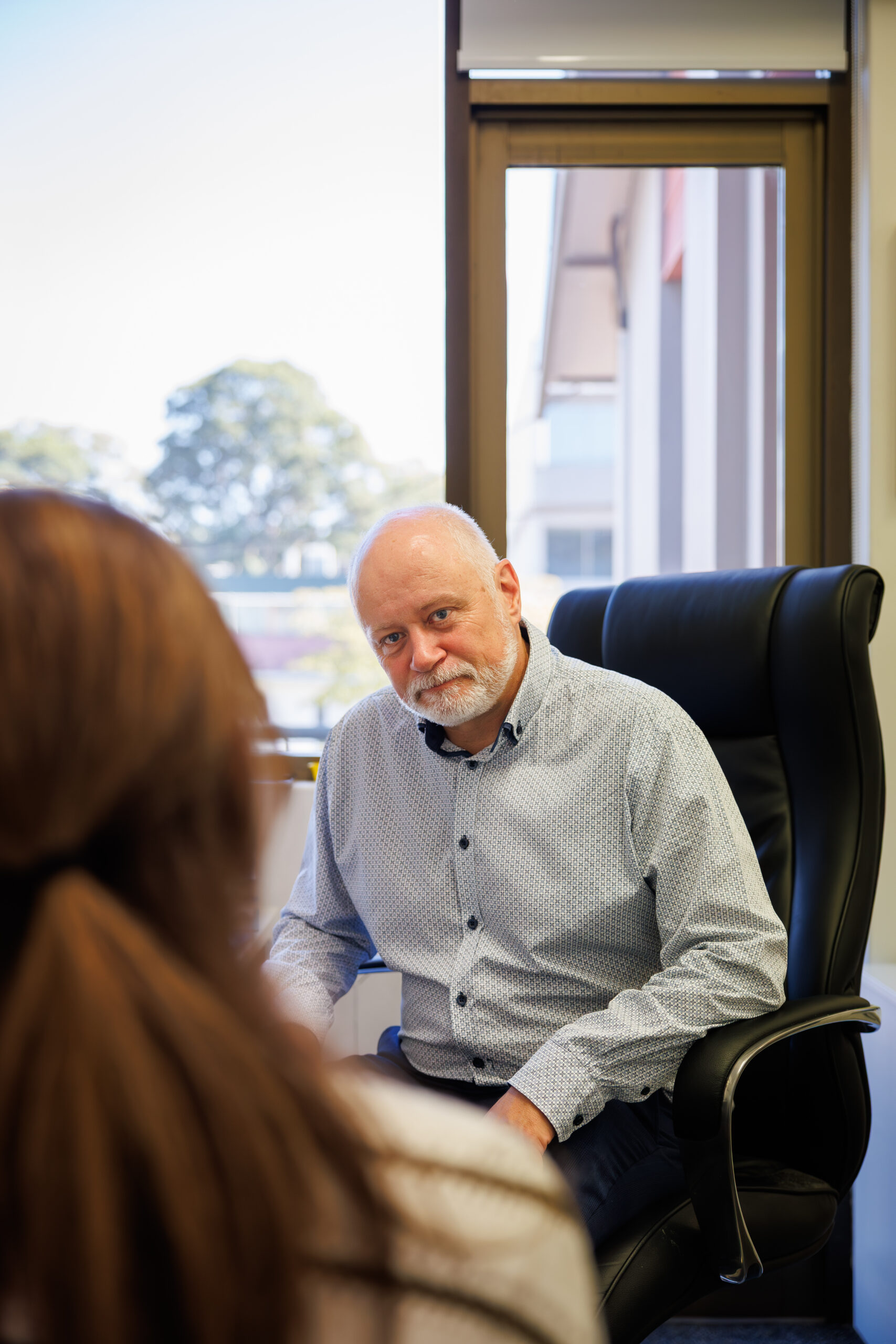
Supporting health professionals across the North Coast
Healthy North Coast partners with general practice teams, nurses, allied health professionals, pharmacists, Aboriginal Community Controlled Health Services, hospitals, community health providers and other primary care professionals to strengthen the health system and improve health outcomes across the North Coast region.
The Health Professionals Hub brings together practical tools, clinical resources, professional development opportunities, regional information and support to help you deliver high-quality, person-centred care.
Use this hub to find clinical guidance, connect with local support, explore training and events, access regional health insights, and learn more about commissioned services across the North Coast.
Primary care support
Find support for general practice and primary care teams, including information about practice support, quality improvement, workforce development, digital health, accreditation and local initiatives.
Access resources and support to improve care for older people, including information for general practice, residential aged care providers and health professionals supporting healthy ageing.
Find information, resources and programs that support culturally safe and responsive care for Aboriginal and Torres Strait Islander people across the North Coast.
Find information, resources and support services that help you connect patients with timely, appropriate mental health care across the North Coast.
Find resources, referral pathways and service information to support people experiencing alcohol and other drug concerns.
Access information about psychosocial support services for people experiencing severe or persistent mental health challenges who may need assistance with daily living, social connection and recovery.
Contact Regional Managers
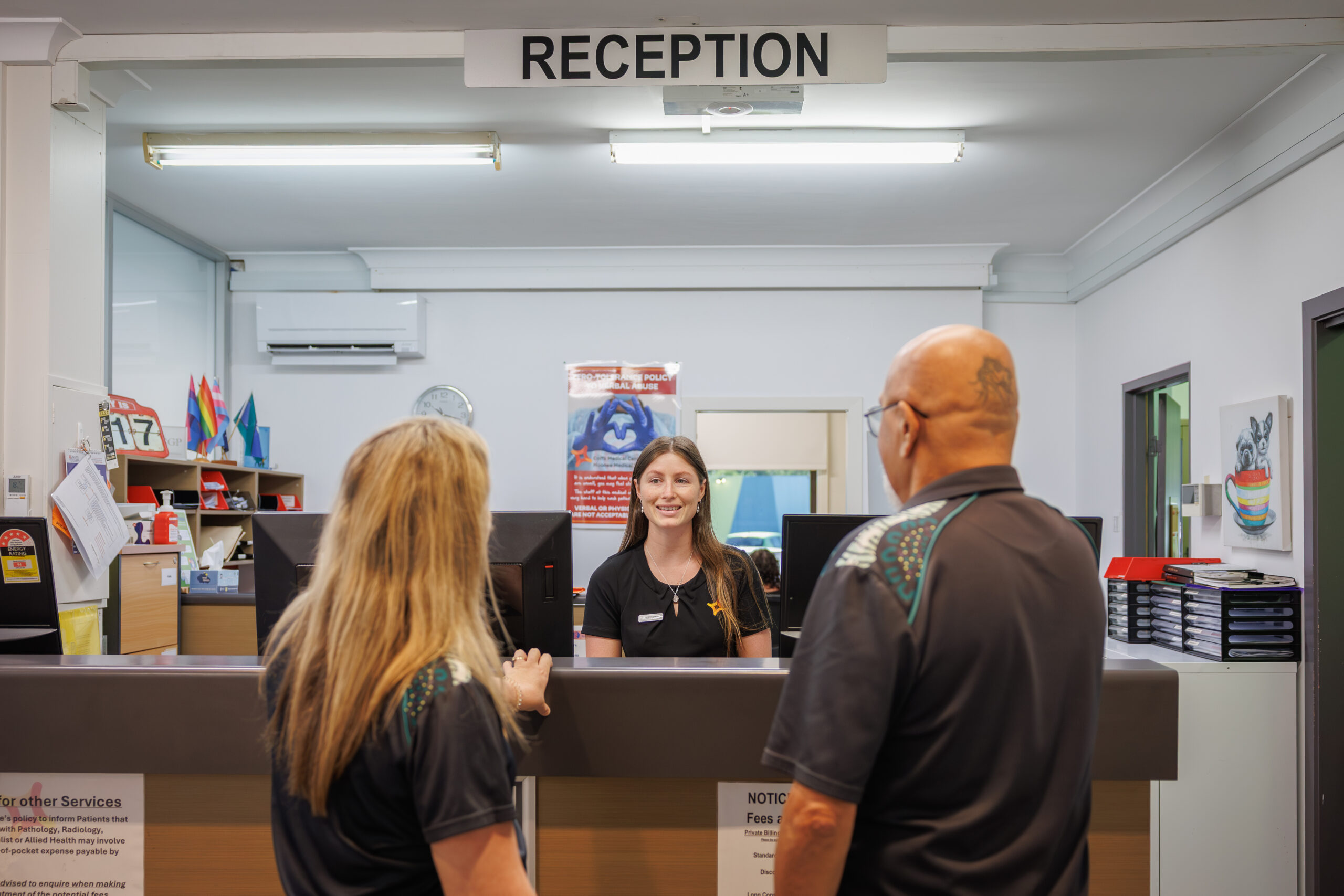
Healthy North Coast Regional Managers work directly with general practices and primary care providers across the North Coast.
They can provide local support, help connect your team with relevant programs and resources, and assist with practice development, quality improvement and regional health initiatives.
Find the Regional Manager for your area and get in touch with the team.
Clinical tools
Access practical tools, directories, referral information and evidence-based resources to support clinical decision-making and patient care.






Education and events
Access recorded webinars, presentations, learning resources and other professional education materials.
Find upcoming Healthy North Coast and external continuing professional development events, webinars, workshops and learning opportunities.
Explore training programs, workshops and development opportunities available to health professionals and primary care teams.
Find locally relevant clinical education sessions, workshops, peer learning opportunities and networking events for health professionals.
Featured events
Regional Palliative Care Roundtables – Lismore
Supporting Palliative Care in General Practice Regional Palliative Care Roundtables Around 70% of Australians say they would prefer to die at home, yet only around 14% do. As more people live with frailty, dementia and chronic disease, General Practice plays…
Go to eventTrans and Gender Diverse Inclusive Practice Workshop – Tweed Heads
Healthy North Coast in partnership with ACON, invites all primary health care workforce to attend a face-to-face workshop exploring inclusive healthcare for Trans and Gender Diverse (TGD) patients. The whole primary care team, including administration, management, GP, nursing, allied health,…
Go to eventRegional Palliative Care Roundtables – Kyogle
Supporting Palliative Care in General Practice Regional Palliative Care Roundtables Around 70% of Australians say they would prefer to die at home, yet only around 14% do. As more people live with frailty, dementia and chronic disease, General Practice plays…
Go to eventDisaster and incident management
Find planning resources, preparedness information and guidance to support primary care during natural disasters and other emergencies.
During an active disaster or emergency, the dashboard provides current information relevant to primary care services across the region.
The dashboard is only available when an emergency response has been activated.
Mental health directory
Use the Mental Health Directory to find qualified mental health professionals and services across the North Coast, with search options to help you find the right support for your needs.
News and media
Stay informed with the latest news, announcements and media from Healthy North Coast, including health system updates, education and events, local initiatives, partnerships and important changes affecting health professionals and communities across the North Coast.
Go to news & media
Expression of interest: Specialist-supported skin cancer care in general practice
Opportunity for North Coast general practices to build skin cancer assessment capability through DermScreen.
Read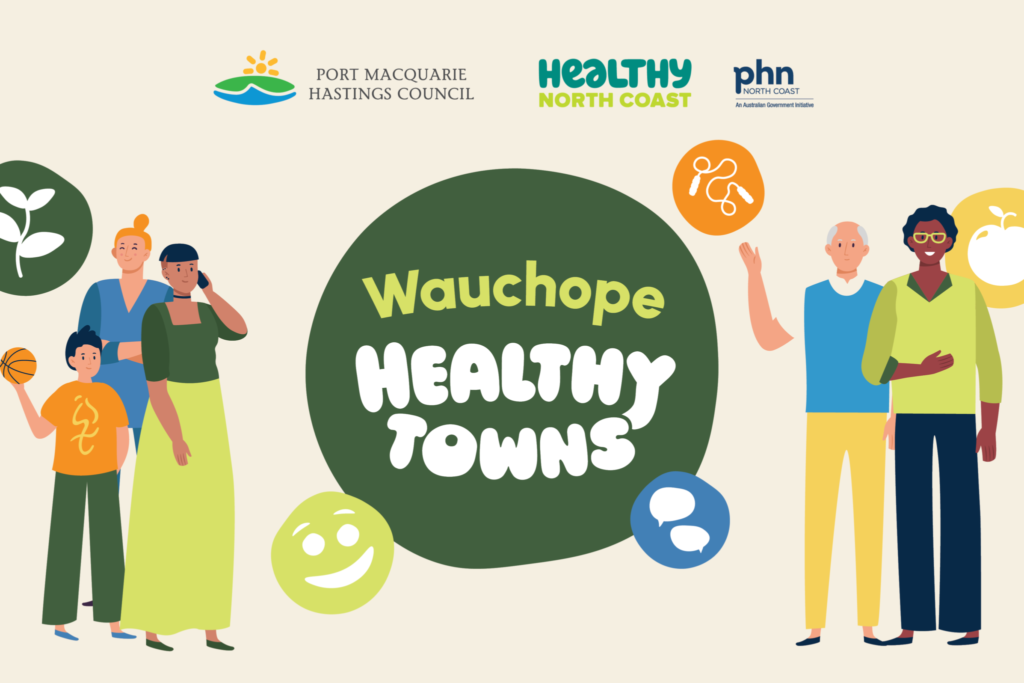
Healthy Towns to help Wauchope residents stay connected and age well
Watch the NBN News coverage Residents will soon be better supported to live and age well, with the announcement that the Healthy Towns program will soon launch in the Wauchope community. Local community leaders will gather in Wauchope on Wednesday…
Read
New menopause resources available for GPs
Professional development courses and resources are available now for health professionals seeking to increase their understanding of menopause.
ReadHealth programs and commissioned services
Explore health programs and services funded or supported by Healthy North Coast.
These services are commissioned in response to identified regional health needs and may include mental health, Aboriginal health, primary care, healthy ageing and population health initiatives.
Use this section to learn about:
- Current programs and services
- Who each program supports
- Where services are delivered
- Program objectives and intended outcomes
- Referral and access information
- Funding and commissioning priorities
Programs and initiatives
Discover the areas we work across to improve health outcomes for every person on the North Coast.
Drug and Alcohol Treatment Program
The Drug and Alcohol Treatment Program is a region wide program, supporting improved access to evidence-based drug and alcohol treatment for individuals experiencing substance use challenges.
Homelessness Program – Outreach Byron Bay
This service provides a regular GP clinic to assist people sleeping rough in the Byron Bay area. It operates on a weekly basis out of Fletcher Street Cottage.
Rural Urgent Care
A network-based urgent care model connecting people to same-day primary unplanned care through participating general practices via community pharmacy, Healthdirect and other referral pathways.
About Healthy North Coast
Healthy North Coast is the Primary Health Network for the North Coast region of New South Wales.
We work with health professionals, communities, service providers and government partners to improve access to care, strengthen primary health services and respond to the health needs of our region.
Our people
Meet our Board, Executive team, advisory groups and the people who support our work across the North Coast.
Our region
Learn about the communities, health needs and geographic areas that make up the North Coast Primary Health Network region.
Purpose and approach
Learn about our role in the health system, how we commission services, how we work with local partners and the principles that guide our decisions.
Our vision is healthy people in North Coast communities.