Disaster management
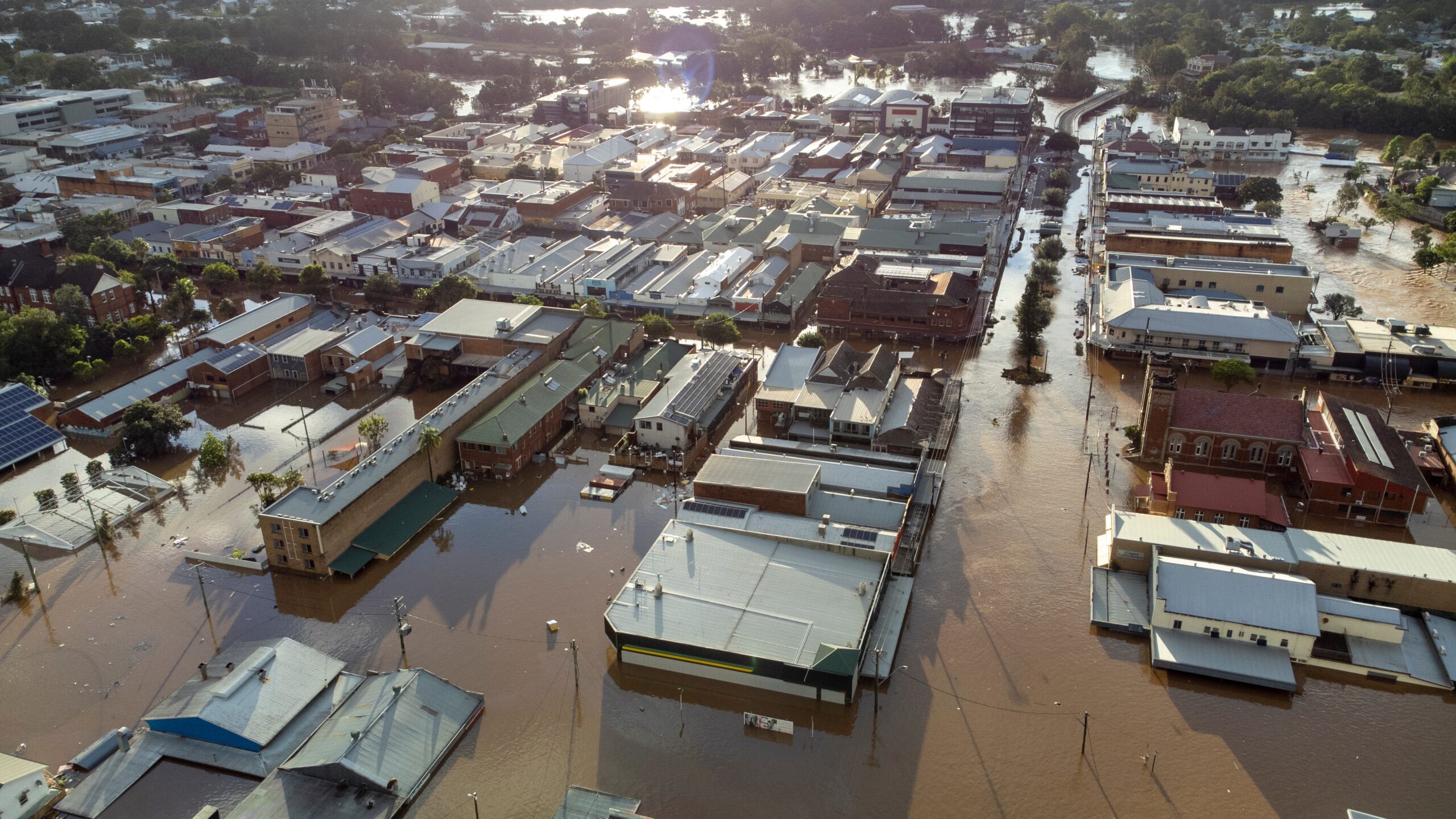
Disaster and emergency support for health professionals
Healthy North Coast works with primary care providers, health services and regional partners to help communities prepare for, respond to and recover from disasters and other emergencies.
This page provides practical information, local contacts and resources for general practices, Aboriginal Community Controlled Health Services, pharmacies, allied health providers, aged care services and other health professionals across the North Coast.
During an emergency
For immediate or life-threatening emergencies, call Triple Zero (000).
Is your service affected?
First, we recommend updating Health Direct. Following this and depending on the scope and scale of the disruption across our region we may reach out and collate information about services that are;
- closed or operating with reduced hours
- relocating or changing how patients can access care
- experiencing power, telecommunications, staffing or supply disruptions
- available to provide additional support to affected communities
- needing help to connect with local health services or emergency response partners.
Emergency support resources
Evacuation preparation:
You may be told to evacuate by text message, a phone call to your landline, someone at your door, or a warning siren.
Follow the instructions to leave immediately.
Grab your medication, batteries, and emergency kit if you have one, and supplies for 3 to 7 days.
Assist household members who need extra help evacuating.
Tell your neighbours and friends of your decision and assist them, if you can.
If there’s time before you leave, turn off the power, gas, water, and lock doors and windows.
Stay with friends or family in a safe location, if you can, or in rented accommodation
Check evacuation routes are open via Live Traffic.
View information on the evacuation centres including opening times and locations for Northern NSW. This list will be updated as more centres are established.
View NSW Evacuation Centre Information
For emergency assistance during a flood, storm or tsunami, call NSW SES on 132 500 In a life-threatening emergency, call Triple Zero 000.
Northern NSW Sever Weather update
Natural Disaster Declaration – Support is now available for Bellingen, Central Coast, Cessnock, Clarence Valley, Coffs Harbour, Dungog, Kempsey, Lake Macquarie, Maitland, MidCoast, Nambucca, Newcastle, Port Macquarie, Port Stephens, Singleton and Upper Hunter residents, businesses and primary producers impacted by NSW East Coast Severe Weather from 18 May 2025. For more information on the support available visit our flood recovery page.
Stay informed by downloading the Hazards Near Me (Download for iOS | Download for Android) which will include the latest warnings and information for impacted communities.
View SES website for more details.
NSW Live Traffic provides updates on road closures, road upgrades and road works, traffic cameras and traffic incidents.
View NSW Live Traffic.
Stay up to date with the latest weather information.
Local coverage can be found on ABC radio on the following frequencies.
NSW North Coast Richmond and
Tweed: 94.5 FM
Murwillumbah: 720 AM
Grafton: 738 AM
Coffs Coast and Mid North Coast Coffs Harbour/Grafton/Kempsey: 92.3 FM and 684 AM
Port Macquarie/Manning River: 95.5 FM
Contact Healthy North Coast
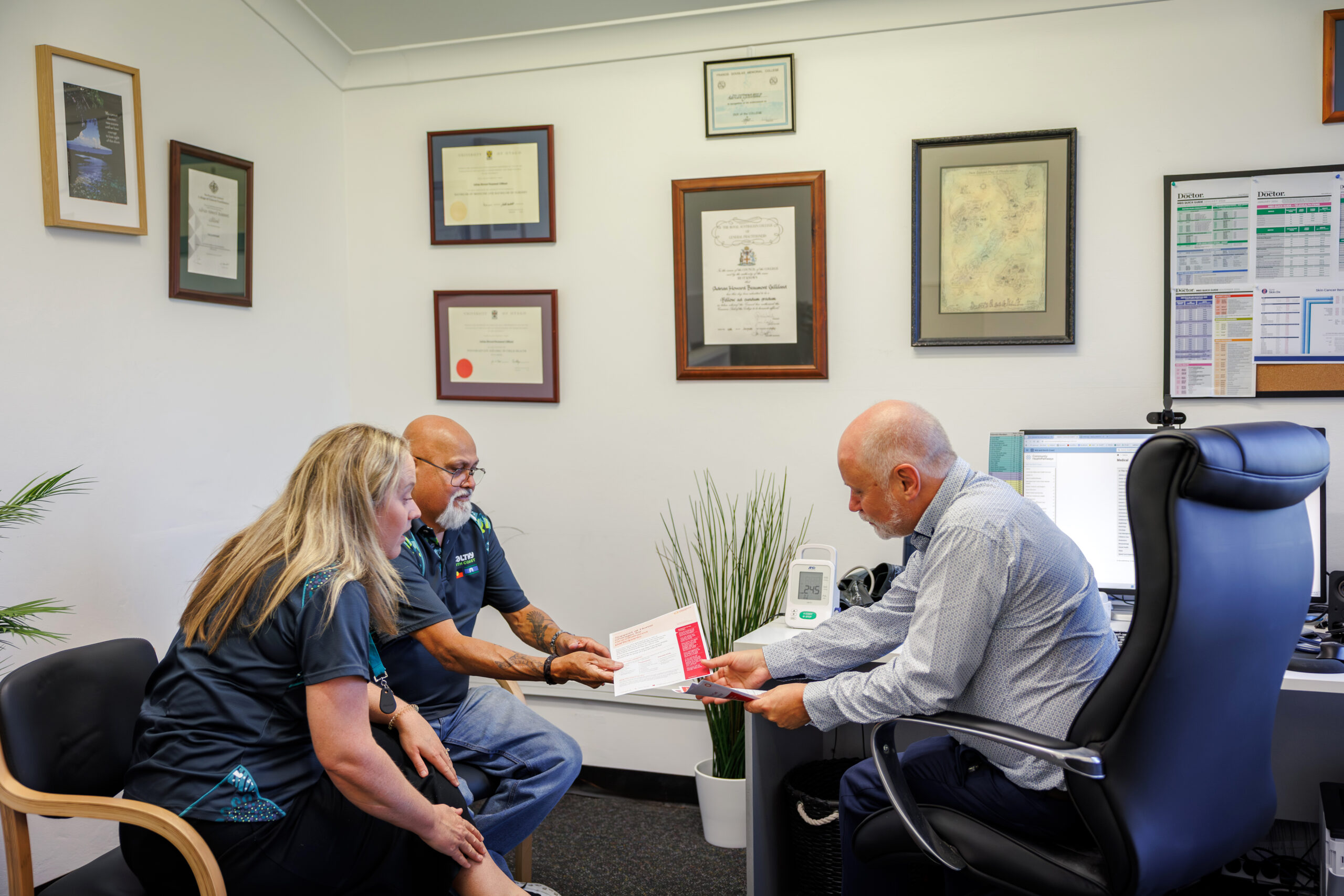
Healthy North Coast’s Primary Care Regional Managers are generally the first point of contact for primary care providers needing information or assistance before, during or after an emergency.
They can help:
- connect your organisation with local response and recovery networks
- communicate service disruptions and changes
- identify emerging health needs
- coordinate information across the primary care sector
- connect you with relevant resources and support.
There may also be times when we allocate a Key Lead or Primary Care Manager during disaster response and that persons details and the scope of their role will be communicated. We take this step based on the scope and scale of the disruption across our region.
Emergency planning tools
Explore our Quality Improvement Library for practical resources designed to support continuous improvement in general practice. Browse topics including emergency preparedness, emergency equipment, Advanced Life Support skills, and extended-hours responses to help strengthen practice readiness, capability and patient care.
Emergency planning checklist
Use this checklist to assess your practice’s emergency preparedness.
General practices should ensure their emergency response planning meets relevant RACGP Standards.
maintain an emergency response and business continuity plan
identify essential services and critical business functions
keep staff, supplier and emergency contact lists current
plan for power, internet, phone and clinical system outages
protect and back up patient and business information
identify alternative premises and models of care
plan how you will communicate changes to patients
identify staff roles and responsibilities during an emergency
connect with nearby health providers for mutual support
regularly test, review and update the plan.
Disaster HealthPathways
Local HealthPathways provide clinical and operational guidance to support health professionals before, during and after a disaster. Login here to access detailed information on the HealthPathway for each of the topics listed below.
Available pathways include:
Preparing a general practice for a disaster
Guidance for developing and maintaining a disaster response plan.
Preparing patients for a disaster
Information and resources to help patients prepare for extreme weather and other emergencies.
General practice disaster response
Local updates and guidance for practices continuing to operate, clinicians supporting evacuation centres, medication management, vaccination and access to My Health Record.
Health after a natural disaster
Clinical information about common physical and mental health presentations following disasters, including infectious disease risks.
Disaster support
Financial, psychosocial and practical support for affected community members, practices and health professionals.
Recovery and ongoing care
Health needs can continue or emerge weeks and months after an emergency. Primary care professionals play an important role in identifying and responding to:
- worsening chronic conditions
- disrupted medications or treatment
- respiratory and infectious illnesses
- injury and physical health concerns
- psychological distress, anxiety and grief
- trauma-related symptoms
- increased alcohol or other drug use
- family violence and social isolation
- financial hardship, housing instability and disrupted access to care.
Support for patients and health professionals
Mental health support for patients
Disasters affect people differently. Some people may need immediate support, while others may experience distress later in the recovery period.
For urgent mental health support, call Lifeline on 13 11 14. If someone is in immediate danger, call Triple Zero (000).
Support for health professionals
Health professionals may also be directly affected by an emergency while continuing to care for their communities.
Support is available through:
- Phoenix Australia – disaster mental health training and professional resources
- Fortem Australia – wellbeing support for first responders and emergency service communities
- MindSpot – online mental health assessment and treatment.
Organisations should encourage staff to take breaks, monitor workloads, use available support and seek professional help when needed.
Learning from previous emergencies
Healthy North Coast reviews regional emergencies to identify lessons and strengthen future planning and coordination. These reports highlight the importance of timely information, collaboration, local service intelligence and coordinated support across the health system.
Healthy North Coast’s role
Healthy North Coast supports primary care preparedness, response and recovery through:
- maintaining relationships with local health providers and regional partners
- monitoring access to primary care during emergencies
- sharing verified information about available services
- identifying service disruptions and emerging community needs
- connecting providers with support and resources
- supporting coordinated regional communication
- contributing to longer-term community recovery.
Our approach is guided by the Healthy North Coast Disaster Management Framework.