
Mental health and wellbeing
Mental health and wellbeing
Healthy North Coast commissions, coordinates and supports mental health services so people across the North Coast can access the right care, in the right place, at the right time. Services provide different levels of support and are designed around the needs of people, families and communities.
Mental health needs are different for everyone. You may be looking for some early support or practical ways to improve your wellbeing, or you may need more regular or specialised care.
Across the North Coast, mental health services provide different levels of care based on a person’s needs, circumstances and preferences. This includes early support, counselling and psychological therapies, youth mental health services, suicide prevention and aftercare, care coordination and support for people with severe or complex mental health needs.
Healthy North Coast works with communities, healthcare providers and other partners to make mental health support easier to find, access and navigate.
Find mental health support
There are different ways to access mental health and wellbeing support across the North Coast.
Depending on your needs, support may include:
- mental health information and online support
- counselling and psychological therapies
- peer and group support
- youth mental health services
- culturally safe mental health and wellbeing support
- care coordination for people with more complex needs
- suicide prevention and aftercare
- specialist and hospital-based mental health care.
You don’t need to know exactly which service you need before asking for help. Your GP or another health professional can help you understand your options, or you can use our service directories to find support available in your area.

Different levels of mental health care
The type and level of mental health support you need can change over time.
A stepped care approach aims to match care to your individual needs. This means starting with the most appropriate level of support and increasing or reducing that support as your needs change.
For some people, this may mean information, guided self-help, peer support or short-term counselling. Others may benefit from psychological therapies, culturally appropriate care or regular support from a healthcare professional.
People experiencing severe or complex mental health challenges may need coordinated support from a team of health professionals, while urgent or emergency mental health care is available when there are immediate concerns about someone’s safety.
The aim is to help people access the right level of care without having to navigate the mental health system alone.
Mental health services across the North Coast
Mental health services are available through local centres, hubs, general practices, community organisations and outreach services across the North Coast.
Healthy North Coast commissions services to help address local needs and improve access for people who may experience additional barriers to getting mental health care.
This includes support for:
- Aboriginal and Torres Strait Islander peoples
- children, young people and families
- people at increased risk of suicide
- people experiencing homelessness
- people living in rural and remote communities
- people experiencing severe or complex mental health challenges.
Mental health programs
Healthy North Coast commissions mental health and suicide prevention programs across the North Coast based on the needs of our communities.
Programs include early intervention and psychological therapies, youth mental health, suicide prevention and aftercare, Medicare Mental Health Centres, care coordination and support for people with severe or complex mental health needs.
Medicare Mental Health Phone Service
The Medicare Mental Health Phone Service provides free, 24/7 mental health advice, assessment and referral, connecting people with the right support based on their individual needs.
Aboriginal Social and Emotional Wellbeing Program
Supports Aboriginal people through culturally appropriate mental health and wellbeing services delivered through local Aboriginal community-controlled health organisations.
Improving mental health care in our region
Healthy North Coast works with people, communities, healthcare providers and other partners to build a more connected mental health system.
Our approach is informed by local health needs, evidence, data, lived experience and community knowledge. We use this information to identify gaps, commission services and work with our partners to improve how people access and move between different types of care.
Our priorities include:
- improving access to mental health care across the North Coast
- supporting culturally safe care for Aboriginal and Torres Strait Islander peoples
- strengthening youth mental health and early intervention
- preventing suicide and supporting people following a suicide attempt or crisis
- improving support for people with severe or complex mental health needs
- making it easier for people to move between community, primary care and hospital services
- using evidence, evaluation and lived experience to continually improve care.
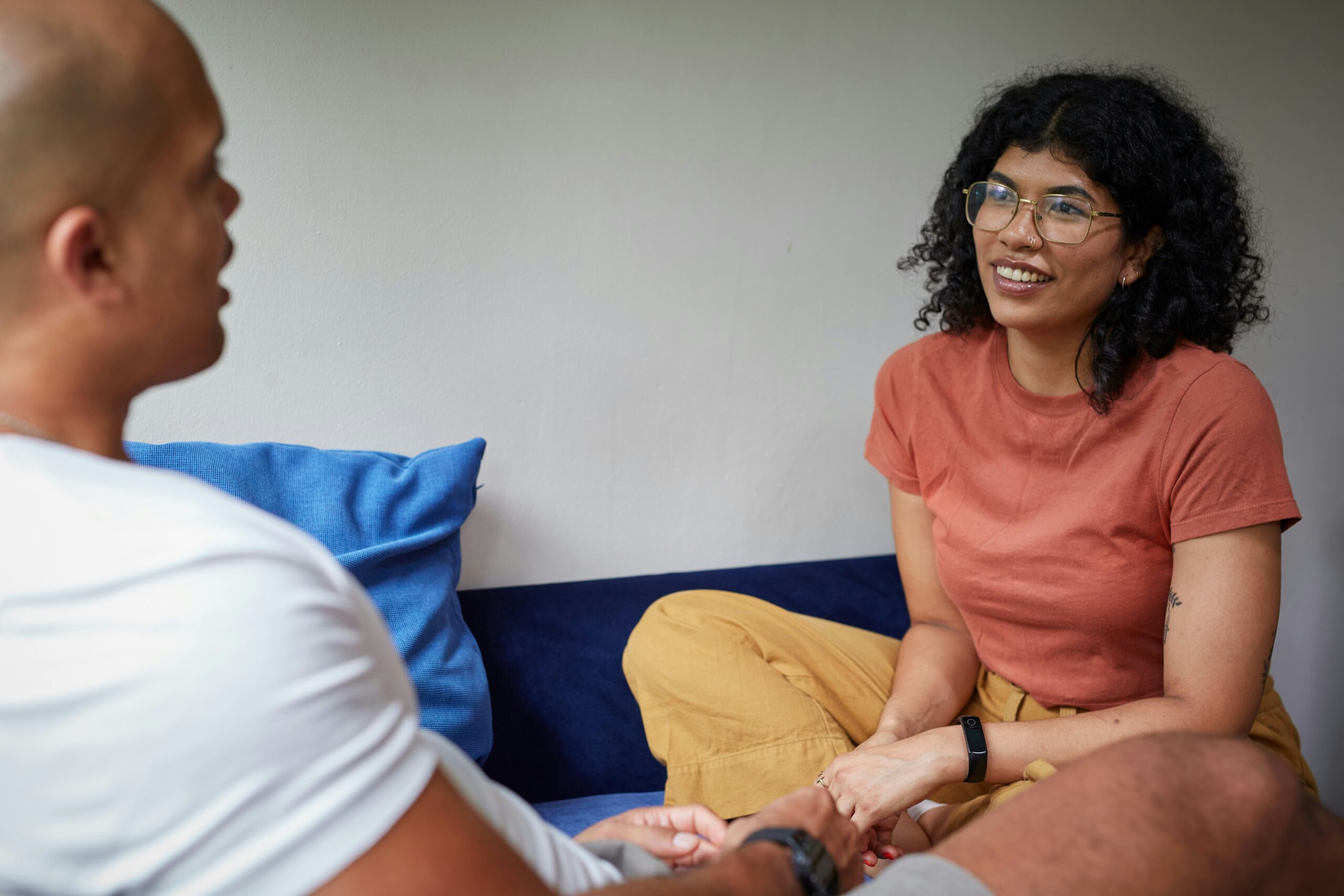
Working together for better mental health
Improving mental health and wellbeing requires services to work together.
Healthy North Coast works with general practices, mental health service providers, Aboriginal Community Controlled Health Organisations, Local Health Districts, government and non-government organisations, community organisations and people with lived experience.
These partnerships help improve coordination between services so people can access support earlier and move more safely between different levels of care as their needs change.

Have your say
The experiences of people, families and communities help shape mental health services across the North Coast.
Find opportunities to take part in consultations, community engagement, advisory groups and other activities that help us understand what is working, where there are gaps and how mental health care can be improved.