Vaccines and immunisation
Don't let the flu stop you: Protect yourself this season
The flu is not just a bad cold. It can cause serious illness and disrupt school, work and everyday family life. NSW recorded its highest number of reported influenza cases on record in 2025, so vaccination remains an important way to protect yourself and your family during the 2026 flu season.
In NSW, children and young people aged 2 to 17 may still be able to receive the nasal spray flu vaccine free of charge while remaining funded supplies are available. It is gentle, painless and needle-free. Parents and carers should contact their GP or Aboriginal Medical Service before booking to check availability.
The injected flu vaccine also remains free for all children aged 6 months to under 5 years.
Watch the video below to find out more.
Nasal Spray Influenza Vaccine
Get ready for flu season
Why get vaccinated?
- The flu can be dangerous – The flu can lead to severe health problems like pneumonia and hospital visits. Getting vaccinated lowers your risk of serious illness.
- Stay healthy and active – The flu can stop you from working, socialising, or doing what you love. A simple vaccine helps keep you on track.
Get your flu shot today!
- Flu season is coming – don’t wait. Get vaccinated now to protect yourself and those around you. Don’t let the flu stop you!
- For more information about influenza and flu vaccination, visit the Department of Health.
Who can get a free flu shot?
The flu vaccine is recommended for everyone aged 6 months and over. Some people can get it for free under the National Immunisation Program (NIP):
- People aged 65+ – Older adults have a higher risk of getting very sick.
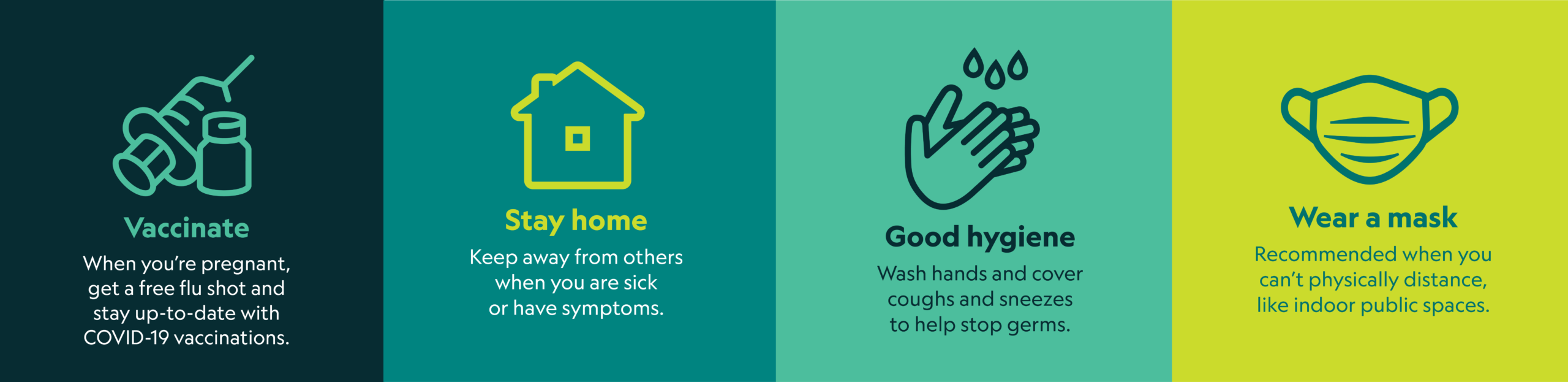
- Pregnant women – The flu shot protects both the parent and baby.
- Children aged 6 month to under 5 years – Young children can have more serious flu symptoms.
- Aboriginal and Torres Strait Islander people – Higher risk means extra protection is needed.
- People with long-term health conditions – Conditions like asthma, diabetes, or heart disease can make the flu worse.
For more information about why, where or who should get vaccinated, please visit health.nsw.gov.au/flu
Vaccines
Flu vaccine
Getting vaccinated against the flu helps protect both you and the people around you.
It’s particularly important to protect vulnerable people in the community who are at risk of severe disease, such as:
- babies
- older people
- pregnant women
- people with chronic (long-term) health conditions
COVID-19 vaccine
Regular COVID-19 vaccinations (also known as boosters) are the best way to maintain your protection against severe illness, hospitalisation and death from COVID-19. They are particularly important for anyone aged 65 years or older and people at higher risk of severe COVID-19.
You can use this tool to determine whether you are eligible for a COVID-19 booster vaccination.
RSV vaccine
RSV is a virus that causes infection in the lungs and airways and is one of the most common causes of respiratory infections in children.
RSV vaccination is recommended for specific groups including:
- women at 28 to 36 weeks pregnancy
- infants and children under two years of age
- whose mothers were not vaccinated at least two weeks before delivery, or
- who are at increased risk of severe disease, or
- who have medical conditions or circumstances which increase their risk of RSV disease
- First Nations people aged 60 years and over
- people aged 60 years and over with medical conditions that increase their risk of severe RSV disease
- people aged 75 years and over. If you are 75 years or over, you can get a free RSV vaccine from 15 May 2026.
Health professionals
Are you a health professional or practice seeking further information on the influenza vaccine?
Please see our resource page specifically for health professionals.